









Are Saunas High-Maintenance? What You Should Know Before Buying

You have been dreaming about stepping into your own home sauna after a long day. The heat, the quiet, the reset. But right behind that dream is a practical question most people ask before buying — Is this going to be a hassle to maintain?
The honest answer is no. Sauna maintenance is genuinely one of the most manageable parts of sauna ownership. Compared to a pool or a hot tub, a sauna asks very little of you. There are no chemicals to balance, no filters to backwash and no water chemistry to troubleshoot. What you do need is a simple, consistent routine and once it becomes a habit, sauna upkeep takes less time than you probably think.
Are Saunas Actually High-Maintenance?
No, and the numbers make that clear. A realistic sauna maintenance routine looks like this:
- Roughly 5 minutes after each session
- 15 minutes of deeper attention once a week
- And a couple of hours for an annual inspection and deep clean.
That is it. Part of the reason cleaning a sauna is so straightforward is that saunas are naturally self-sanitizing environments. The extreme heat (typically 150-195°F in a traditional sauna and 120-150°F in an infrared model) creates conditions that are hostile to most bacteria and viruses. You are not fighting biology the way you are with a hot tub or swim spa.
Understanding how to care for a sauna is mostly about building simple post-session habits. Do those consistently and your sauna will stay clean, smell fresh and perform well for years.
Traditional vs. Infrared: Which One Is Easier to Maintain?
If you are weighing your options, it helps to understand how sauna upkeep differs between the two types.
- Traditional saunas use a heater and sauna stones, and most sessions involve pouring water over the stones to create steam. That added humidity means slightly more attention to ventilation and wood care. You will also need to check and replace the stones periodically.
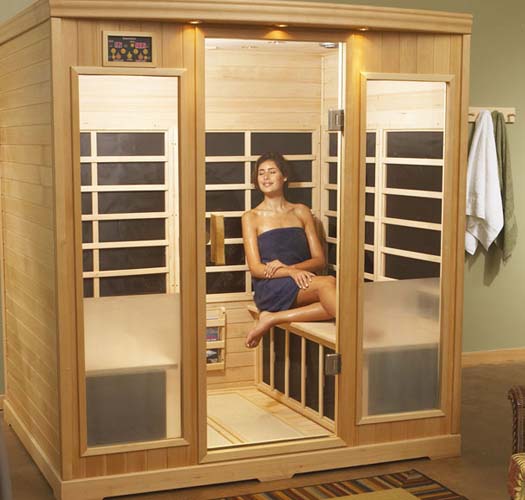
- Infrared saunas use light panels to generate heat at lower temperatures and use no water at all. Cleaning infrared panels is simple. A quick wipe with a dry or lightly damp cloth. There are no stones to inspect, no humidity to manage and no calcification to worry about.
Winner for lowest maintenance: infrared. But both are easy to manage; the difference is more about how much you use water in your sessions than a dramatic difference in effort.
The Complete Sauna Cleaning and Maintenance Schedule
If you are wondering how to maintain a sauna without feeling overwhelmed, follow this simple timeline.
After Every Session: The 5-Minute Routine
- Always sit on a towel. Sweat, skin oils and body heat are the main things that degrade sauna wood over time. A towel on the bench is the single most effective preventive measure.
- Wipe down the benches with a clean, damp cloth.
- Leave the door and vents open to allow the sauna to cool down and air out fully. This is critical for mold prevention.
Weekly Sauna Upkeep
- Sweep or vacuum the floor to remove dust, hair and debris.
- Wash the interior with a mild, sauna-safe cleaner. Water with a small amount of mild soap or baking soda works well. When it comes to sauna cleaning products, the rule is simple: the gentler, the better. Avoid anything with bleach, ammonia or harsh chemical bases. These seep into the porous wood and release toxic fumes when the sauna heats up.
- For how to clean sauna wood specifically, use a soft brush or cloth. Never scrub aggressively or use abrasive pads.
Monthly Checks
- Inspect traditional sauna stones for crumbling, yellowing or hollow spots. Rearrange them for even airflow.
- Check door seals and hinges to make sure heat is not escaping.
- For infrared models, inspect the heating panels and wipe down any dust buildup.
Annual Deep Clean and Inspection
- Lightly sand the wooden benches with fine-grit sandpaper to lift stubborn sweat stains and restore that fresh cedar smell. This is a satisfying DIY task that takes less than an hour.
- Wash traditional sauna stones in warm water and replace any that are cracked, hollow or discolored.
- Inspect all electrical elements and wiring. This is where you bring in a qualified electrician. Do not attempt to diagnose or repair heater wiring yourself. A professional check every year or two is a smart investment.
Indoor vs. Outdoor: Location Changes the Equation
Where your sauna lives affects how to care for a sauna over the long term.
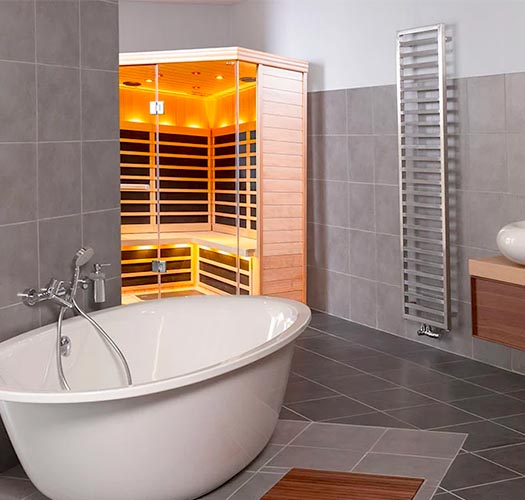
- Indoor saunas need a water-resistant floor (tile or concrete works best) and good room ventilation to prevent moisture from building up in your home. Proper venting keeps humidity from affecting surrounding walls and flooring.
- Outdoor saunas face weather exposure, so the exterior wood needs periodic treatment with a UV-inhibitor stain or sealant. Barrel sauna owners should also check the bands and staves annually for any loosening or warping from seasonal temperature swings.
One rule applies to both, without exception. Never paint or varnish the interior wood of any sauna. Interior coatings trap heat, prevent the wood from breathing and can release toxic fumes when temperatures rise. Leave the inside raw.
What Does It Actually Cost to Own a Sauna?
One of the most underrated advantages of sauna ownership is how low the ongoing costs are, especially compared to a hot tub or pool.
- Electricity is the primary recurring expense. A traditional sauna heater running at 6kW for one hour costs approximately $0.60-$1.20, depending on your local electricity rate. Regular use (say, four sessions per week) adds up to roughly $10-$25 per month. Infrared models run at lower wattage and typically cost even less.
- Replacement sauna stones for traditional models run $50-$100 and typically need replacing every one to three years depending on usage.
- Heater replacement is a long-term cost; quality heaters like those in Tylo saunas are built to last 10-15 years before needing replacement.
- Sauna cleaning supplies, mild soap, baking soda and sandpaper, are negligible. You likely already have most of them.
Compare that to the chemical costs, filter replacements and water treatments associated with hot tub ownership, and the financial case for a sauna becomes even clearer.
Mistakes That Will Actually Cause Problems
Most sauna cleaning mistakes come down to good intentions with the wrong products or approach.
- Using hard water on sauna stones. Mineral-heavy water causes calcification and limescale buildup on the stones. Use filtered or soft water when ladling.
- Reaching for household cleaners. Bleach, ammonia and multi-surface sprays are not safe sauna cleaning products. They absorb into the wood and create problems the next time you heat up.
- Sealing or staining the interior. Tempting for aesthetics, but damaging in practice. The wood needs to breathe.
- Over-cleaning. Aggressive scrubbing or power-washing the interior strips the wood of its natural properties and accelerates wear.
Your Sauna, Your Routine
A home sauna is one of those investments that genuinely gives back more than it asks for. Once the habit is in place, sauna maintenance fades into the background. A few minutes after each session, a quick weekly tidy and an annual check-up.
That is a small ask for something that delivers every single time you use it. If you are ready to take the next step, our team is here to help you find the right sauna for your home and lifestyle. Visit one of our Idaho showrooms or reach out. We have been doing this for a long time and we love talking saunas.
Frequently Asked Questions
Are saunas high maintenance to own and maintain?
Not at all. Saunas are one of the lowest-maintenance home wellness investments available. A quick wipe-down after each session and occasional deeper cleaning is all it takes. No chemicals, no water systems, no complexity.
What maintenance is required for a sauna?
The basics: sit on a towel during sessions, wipe down benches afterward, air the sauna out after every use, sweep weekly and do a light sand and full inspection once a year. Traditional sauna owners also need to check and occasionally replace the stones.
How often do you need to clean a sauna?
A light wipe-down after every session, a more thorough sauna cleaning once a week and a deep clean annually. It sounds like more than it is; in practice, the daily routine takes about five minutes.
What are the ongoing costs of owning a sauna?
Primarily electricity, roughly $10-$25 per month, depending on usage and your local rate. Add in replacement sauna stones every one to three years ($50-$100) and sauna cleaning supplies that cost almost nothing. Compared to a pool or hot tub, the ongoing costs are minimal.
Are infrared saunas easier to maintain than traditional saunas?
Yes, slightly. Because infrared saunas use no water or steam, there is no humidity to manage and no stones to inspect. How to clean sauna infrared models comes down to wiping down the wood and panels; that is about as simple as it gets. Traditional saunas are still very easy to maintain, but infrared wins on pure simplicity.